
Journal·June 2, 2026·winter · seasonal · hiking · crowds · local-tips · weather
Sedona in Winter: Why the Shoulder Season Is the Best Season
Most people skip Sedona in winter, and honestly, that's exactly why you should go

Photo by Anthony Melone on Unsplash
Most people assume Sedona is a spring-and-fall destination. They picture packed trailheads, two-hour waits at the Y, and $30 parking fees. What they're missing is that from late November through February, this place becomes something else entirely — quieter, stranger, and in my opinion, more itself.
The Crowds Actually Disappear
I've lived here long enough to know that "shoulder season" is a phrase that gets overused. But winter in Sedona is the real thing. The tour jeeps thin out. You can get a table at Elote Café without a reservation two weeks out. The trailhead lots at Cathedral Rock and Bell Rock fill up by 9am instead of 7:30.
If you've only been here in peak season, you might not realize how much of the experience is just... managing logistics. In winter, that mostly goes away.
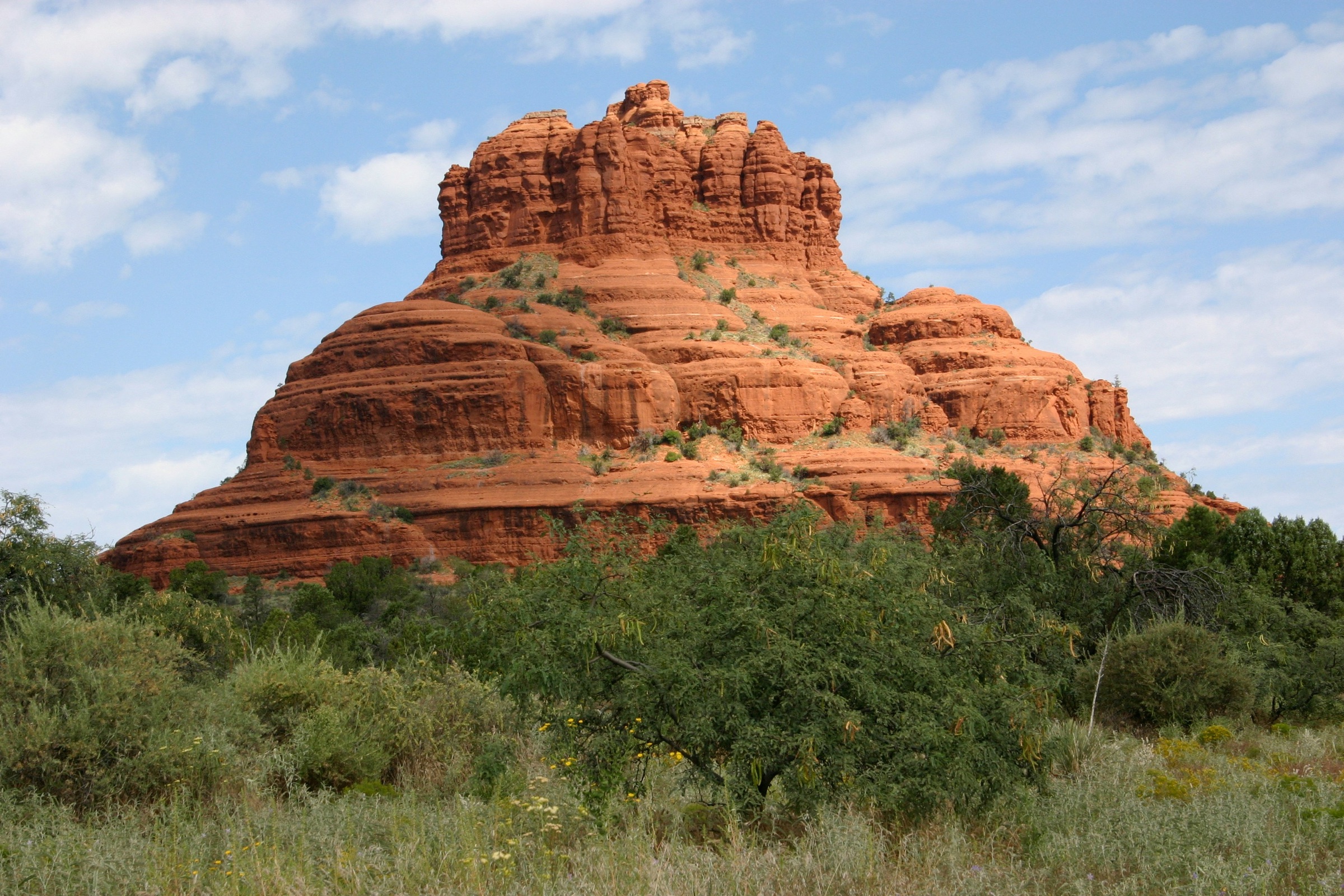
Bell Rock on a clear winter morning — the parking lot here fills up fast even in January, but nothing like the summer chaos.
Snow Changes Everything (When It Happens)
It doesn't snow every winter in Sedona, and when it does, it usually doesn't stick for long. But when it does — even a dusting — the red rocks against white is one of the more surreal things I've seen. The contrast is almost artificial-looking, like someone adjusted the saturation in post.
We usually get one or two good snow events between December and February. It rarely accumulates more than a few inches in town, and it melts within a day or two. That actually makes it perfect: you get the visual without the trail closures lasting more than a morning.
If you're hoping for snow, late January into February is your best window. No guarantees, but that's when I'd bet on it.
Hiking in the Cold Is Underrated
Most of Sedona's popular trails are between 3 and 8 miles. In summer, anything above 2 miles after 8am is genuinely uncomfortable — it's hot, exposed, and dusty. In winter, you're hiking in 45–55°F most mornings, which is close to ideal for anything with elevation gain.
Airport Mesa Loop, Devil's Bridge, Soldier Pass — these hikes reward you more in winter because you can actually move at a normal pace without rationing water. Just bring an extra layer. The wind at the top of Airport Mesa will remind you what month it is.
One thing worth knowing: a handful of trails near Oak Creek Canyon can have icy patches in January after a cold night. Yaktrax or microspikes aren't overkill if you're heading up the West Fork trail early in the morning.
Fewer People Means Better Conversations
This sounds vague, but I mean it practically. The people who come to Sedona in January aren't the bachelorette parties or the half-day jeep tour crowd. They're here specifically because they want to be here. Retirees doing the snowbird thing. Solo hikers. Couples who've been before and know what they're after.
I've had more interesting conversations at the coffee window of Wildflower Bread Company in February than I have at any summer farmers market. There's something about the off-season that filters for intentionality.
What's Actually Closed (and What Isn't)
Honest accounting: a few things do slow down. Some of the smaller galleries in Uptown reduce their hours. Slide Rock State Park can close if there's ice. The Tlaquepaque arts village keeps its winter hours but closes earlier.
What stays fully open: almost all the trails, all three of my properties, Oak Creek Brewery, Garland's Indian Jewelry, Elote Café (though check current hours), and — importantly — the night sky. Winter nights are longer and often clearer, and Sedona's dark skies are something worth planning around.
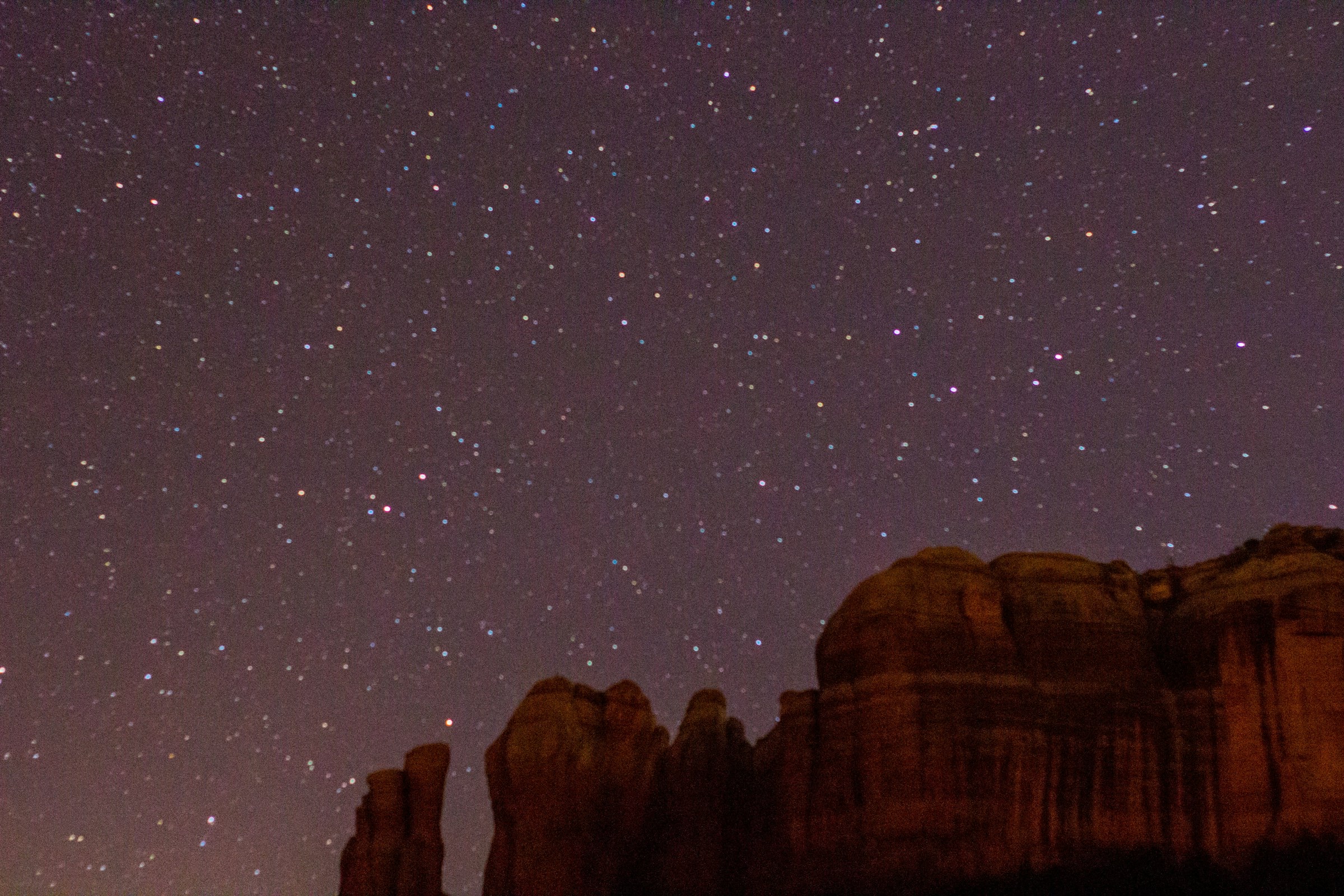
Winter nights here run long. Get away from Uptown by a mile or two and the sky gets serious.
If you make it out here in January or February, do one thing for me: drive out to Chavez Crossing just before dawn. It's a 10-minute drive from the Uptown properties, the creek access is usually quiet, and in winter light the whole canyon goes gold in a way that's hard to explain. That's the version of Sedona most people never see.
Notes from Sedona
Want these in your inbox?
Once a month I send the new posts straight to subscribers. Skip checking the site.