
Journal·April 29, 2026·photography · golden-hour · sedona · trails · things-to-do
Where to Actually Be in Sedona When the Light Goes Gold
Golden hour in Sedona is legitimately different here — the red rocks don't just glow, they seem to generate their own light
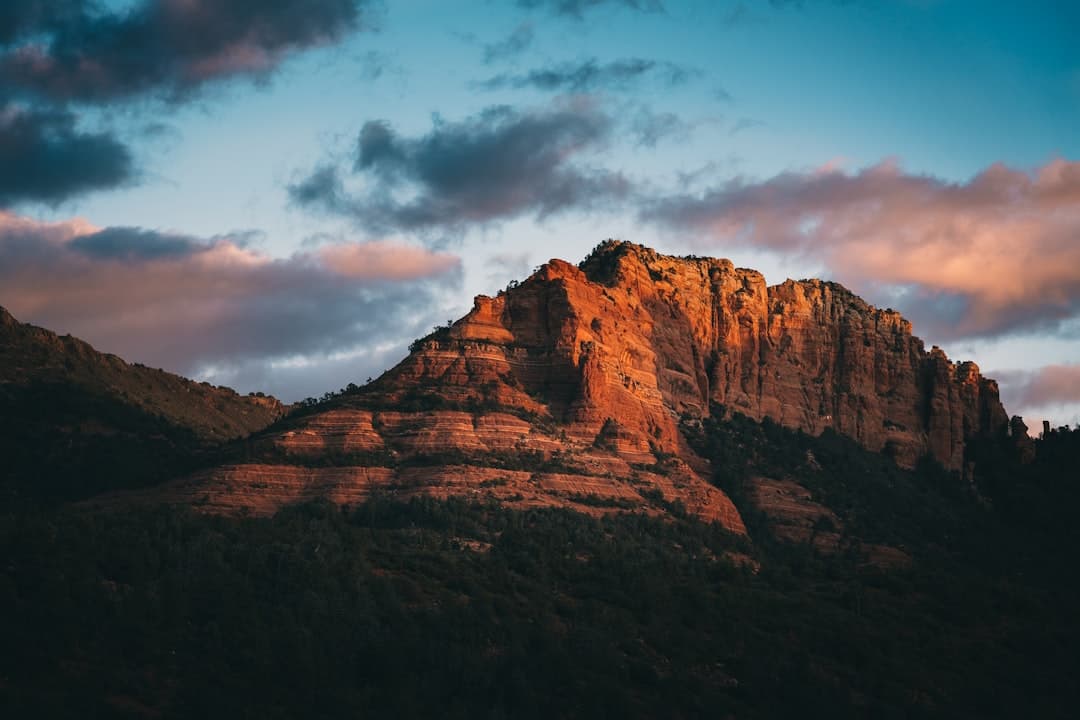
Photo by Brandon DesJarlais on Unsplash
Golden hour in Sedona is legitimately different here. Everywhere else you've photographed sunsets, the sky was the subject. Here, the rocks are. That shift changes everything about where you position yourself, and most first-timers get it wrong.
The Problem With Popular Spots
I'll be direct: if you drive to Airport Mesa overlook at 6 p.m. on a Saturday in October, you'll be standing shoulder-to-shoulder with fifty other people pointing cameras west. The shot is fine. It's also on approximately 300,000 Instagram accounts.
The better move is to flip your orientation. Instead of standing high and shooting west, find low ground and shoot east toward the rocks while the western sky lights them from behind you. That's when Cathedral Rock, Bell Rock, and the formations around Uptown turn that specific shade of orange that looks, honestly, like someone graded the footage wrong.
Bell Rock and the Courthouse Area
If you're staying near the Village of Oak Creek — or willing to make the 15-minute drive south from Uptown — the Bell Rock Pathway is my first recommendation. Park at the Bell Rock Trailhead off Highway 179 about 90 minutes before sunset. Walk north on the path maybe a quarter mile until Bell Rock is slightly behind your left shoulder and Courthouse Butte fills your right frame.
You're shooting northeast. The light is behind you and low. For about 25 minutes, those formations go through four or five distinct color temperatures, from dusty amber to something close to red-orange that has no good name.
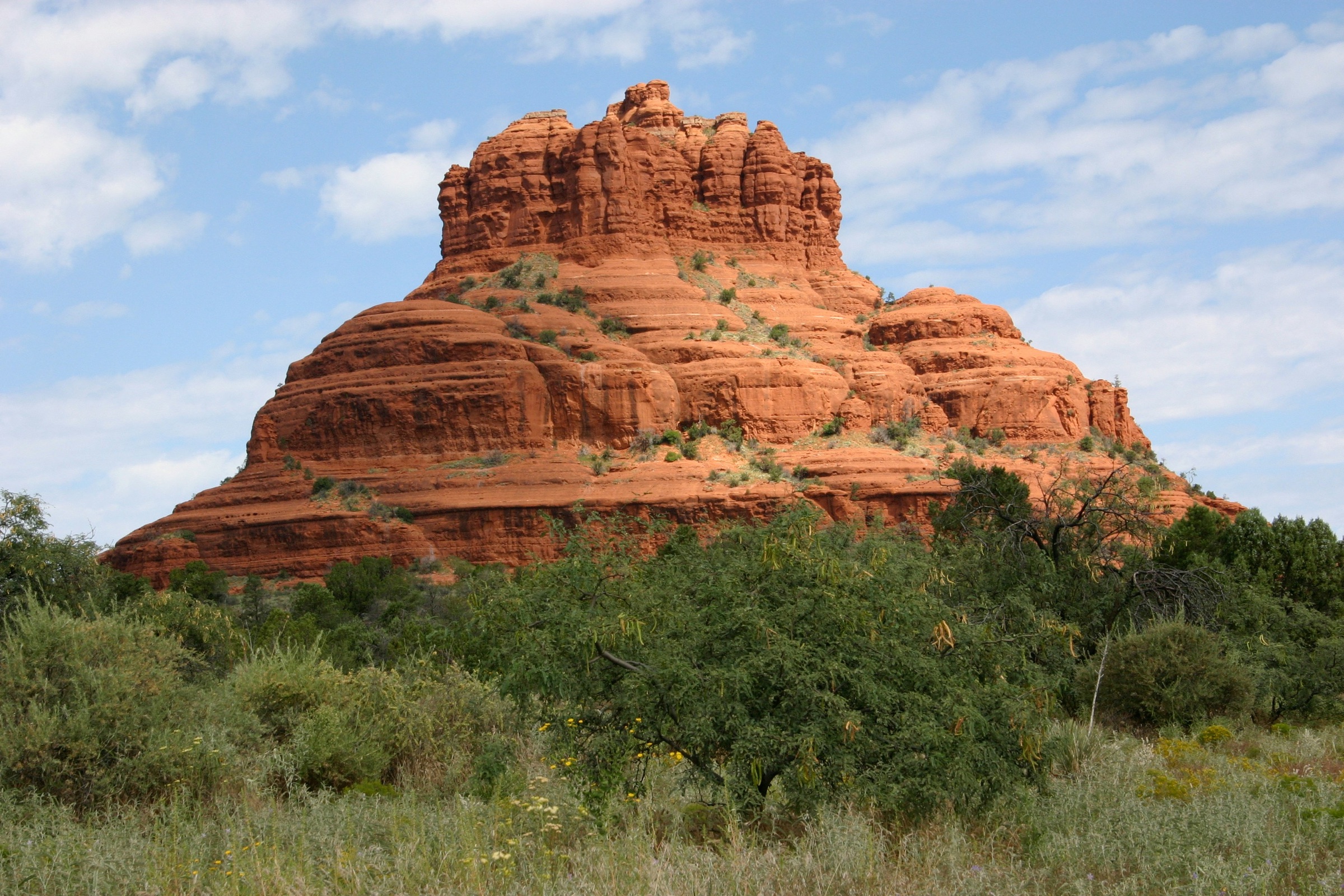
Bell Rock from the pathway heading north — this is roughly the angle and distance worth aiming for at golden hour.
Bring a wide lens and a longer one. The wide shot is the landscape; the longer one is for isolating specific rock faces where the shadow lines cut diagonally across the lit surface.
Chapel of the Holy Cross
The Chapel is worth visiting at any time, but golden hour gives it something specific: the west-facing rock face behind the chapel catches full direct light while the structure itself sits in relative shadow. That contrast is hard to recreate at any other time of day.
Park in the lot off Chapel Road and walk the short path up. You won't get crowds-free — this place is popular — but most visitors are looking at the chapel, not at the angle 40 feet back and slightly south where the composition actually resolves. If you ask me, that perspective, with the chapel as a mid-ground element between you and the lit rock behind it, is the shot.
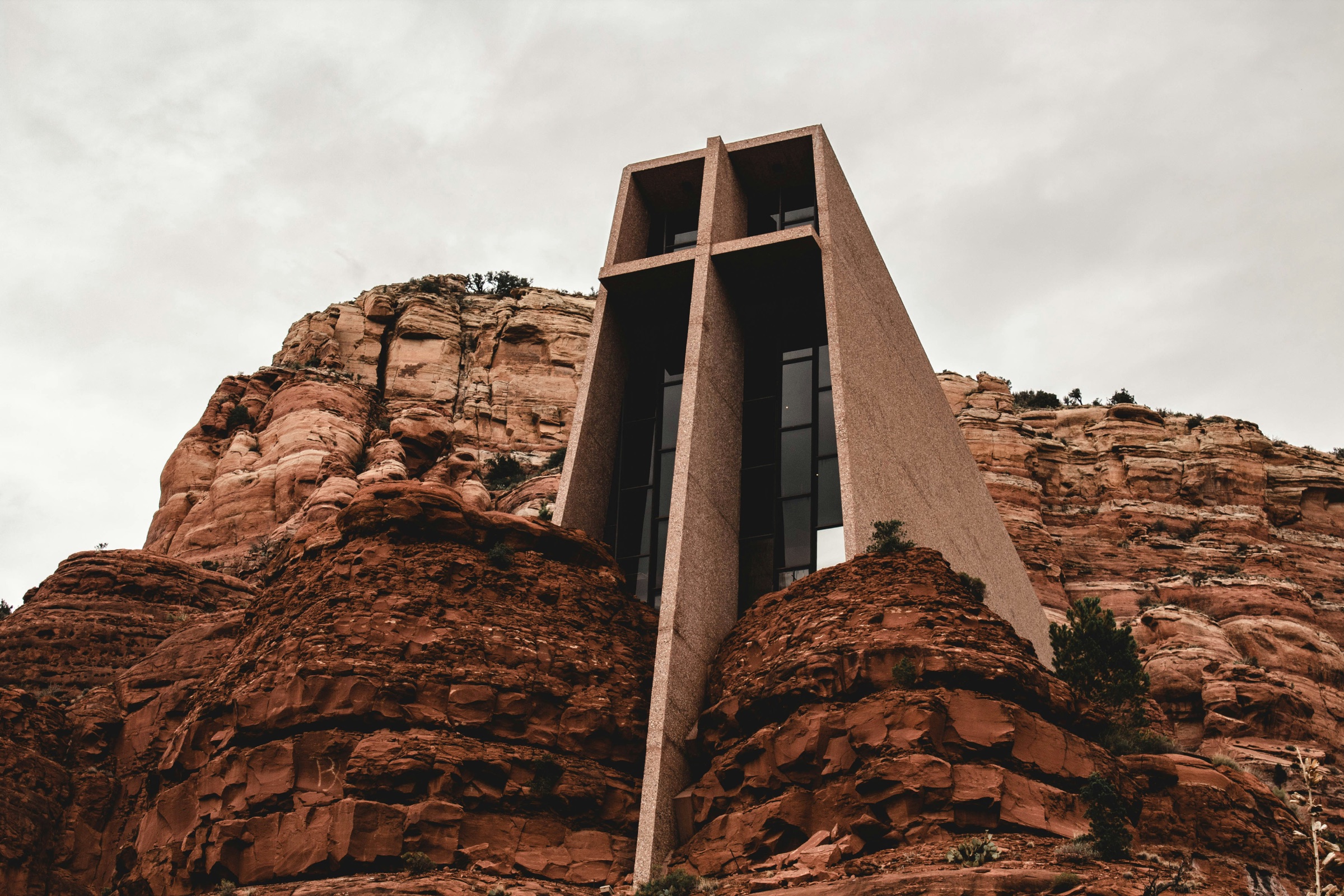
The chapel's placement in the rock face creates natural framing — golden hour is when the contrast between the structure and the lit stone behind it is sharpest.
Uptown, On Foot
If you're staying at one of the Uptown retreats, you don't need a car for this. Walk west on 89A past the main strip, then turn south onto any of the residential streets that dead-end at open land. The rock formations visible from those streets — particularly anything facing southeast — catch long golden light for a solid 30 minutes before the sun drops.
The Uptown strip itself is not a photography location. It's fine to walk through, but the buildings and signage compete with everything. Get off the main road by a block or two and you'll immediately understand what I mean.
Timing Is Everything, and It Moves
In summer, golden hour starts around 7:15 p.m. In December, you might be scrambling to be in position by 4:30. Check the actual sunset time — not a general estimate — before you plan your outing. The quality light window is real but short. You have maybe 20-25 minutes of the good stuff before it softens into regular dusk.
Also: cloud cover changes everything. Overcast skies kill the effect entirely. A sky with broken high clouds can amplify it significantly, bouncing pink and orange light onto rock faces that are technically in shadow. On those days, anywhere you stand will work.
If you make it out here and find one of those broken-cloud evenings, just stop wherever you are and point your camera east. You won't need a list.
Notes from Sedona
Want these in your inbox?
Once a month I send the new posts straight to subscribers. Skip checking the site.